
For most visitors, a contactless bank card is the simplest way to pay
How to pay on the Beijing subway with an international card, a single ticket, Alipay or BEIJING PASS—and which option suits your trip.
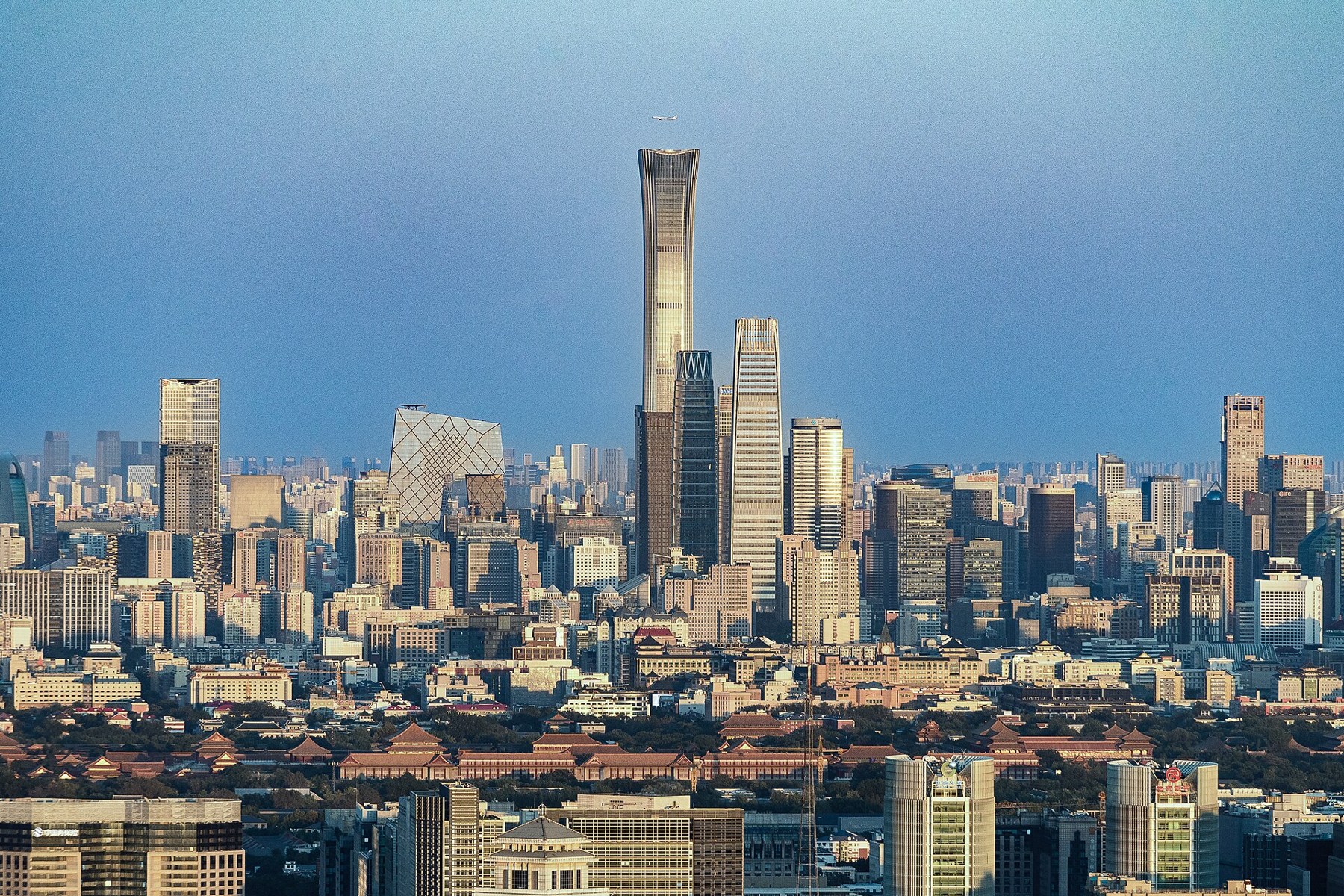
For most foreign visitors, the simplest option is a contactless international bank card. Tap it at the gate when entering and tap the same card when leaving; there is no ticket to buy or transport app to configure.
Beijing’s current visitor guidance says fare gates accept contactless UnionPay, Mastercard, Visa, JCB and American Express cards. The same five networks can also be used for ticket purchases and top-ups, according to the city’s March 2026 payment update.
That makes direct card payment the practical default whether you board at Wangfujing in Dongcheng, Xidan in Xicheng or Guomao in Chaoyang. Carry a second supported card or some renminbi as a fallback in case your primary card is declined.
Option 1: tap a contactless bank card at the gate
Use a contactless card showing one of the supported network logos. The system works across Beijing’s urban rail network, including the Capital Airport Express and Daxing Airport Express, with compatible fare gates available throughout operating hours, according to the city’s network-wide service announcement.
- Hold the card over the marked sensor at the entry gate.
- Wait for the gate to open.
- At your destination, tap the same card at the exit gate.
The fare is calculated under the same billing rules used for local passengers, rather than a separate tourist tariff. Your bank may apply its own exchange rate or foreign-transaction charges.
Each traveler should use a separate card or another payment method so every journey has its own entry and exit record.
Option 2: buy a single-journey ticket
A single ticket is the simplest fallback when a card is declined, you are paying cash or not everyone in your group has a suitable contactless card.
Ticket machines are available at subway stations and have an English interface. Select the destination station and number of tickets, then pay. Beijing’s official ticket guide lists cash, credit card, Alipay and WeChat Pay as machine-payment methods; it also says staffed ticket counters are available at most stations.
Keep the ticket until you have passed through the exit gate at your destination.
Option 3: use an Alipay metro QR code
Alipay is useful if you already plan to use the app elsewhere in Beijing. It requires more preparation than tapping a bank card but avoids buying tickets for each journey.
The city’s official transport-code instructions give these steps:
- Register or sign in to Alipay.
- Complete the requested identity verification and bind a payment method.
- Open Transport, select Metro, choose Get now, accept the terms and set the payment password.
Scan the metro QR code at both the entry and exit gates. It is sensible to complete the setup before reaching the station in case identity or card verification takes time.
Choose Alipay when it is already part of your wider Beijing payment plan. For subway travel alone, a supported contactless bank card requires less setup.
Option 4: buy a physical BEIJING PASS
BEIJING PASS is a stored-value card for international visitors. It works on public transport and at participating cultural, tourism and retail locations.
A standard card costs CNY 20, and that purchase price is non-refundable. A passport is required. The card can be topped up at designated subway counters and machines, Yikatong outlets and airport service points; Beijing’s BEIJING PASS guide also explains NFC top-ups through the SilkPass app.
Each pass is for one traveler and must be tapped when entering and leaving a subway station. It can suit someone who wants a dedicated stored-value card for a longer stay, but it is usually unnecessary for a short visit focused on subway journeys.
What a normal subway journey costs
Most of the network uses distance-based fares:
- Up to 6 km: CNY 3
- More than 6 km and up to 12 km: CNY 4
- More than 12 km and up to 22 km: CNY 5
- More than 22 km and up to 32 km: CNY 6
- Beyond 32 km: an additional CNY 1 for every 20 km
There is no general maximum fare. The Capital Airport Express and Daxing Airport Express are excluded from this scale; the Capital Airport Express, for example, has a fixed CNY 25 fare. These rates come from Beijing Subway’s official fare notice.
Which method should you choose?
- Short visit: tap a supported contactless bank card.
- Card declined or paying cash: buy a single-journey ticket.
- Already using Alipay: activate its metro QR code.
- Longer stay or preference for a dedicated local card: consider BEIJING PASS.
For most visitors, the first option is enough: bring a contactless Visa, Mastercard, JCB, American Express or UnionPay card, plus a backup way to pay.